Brick and blockwork
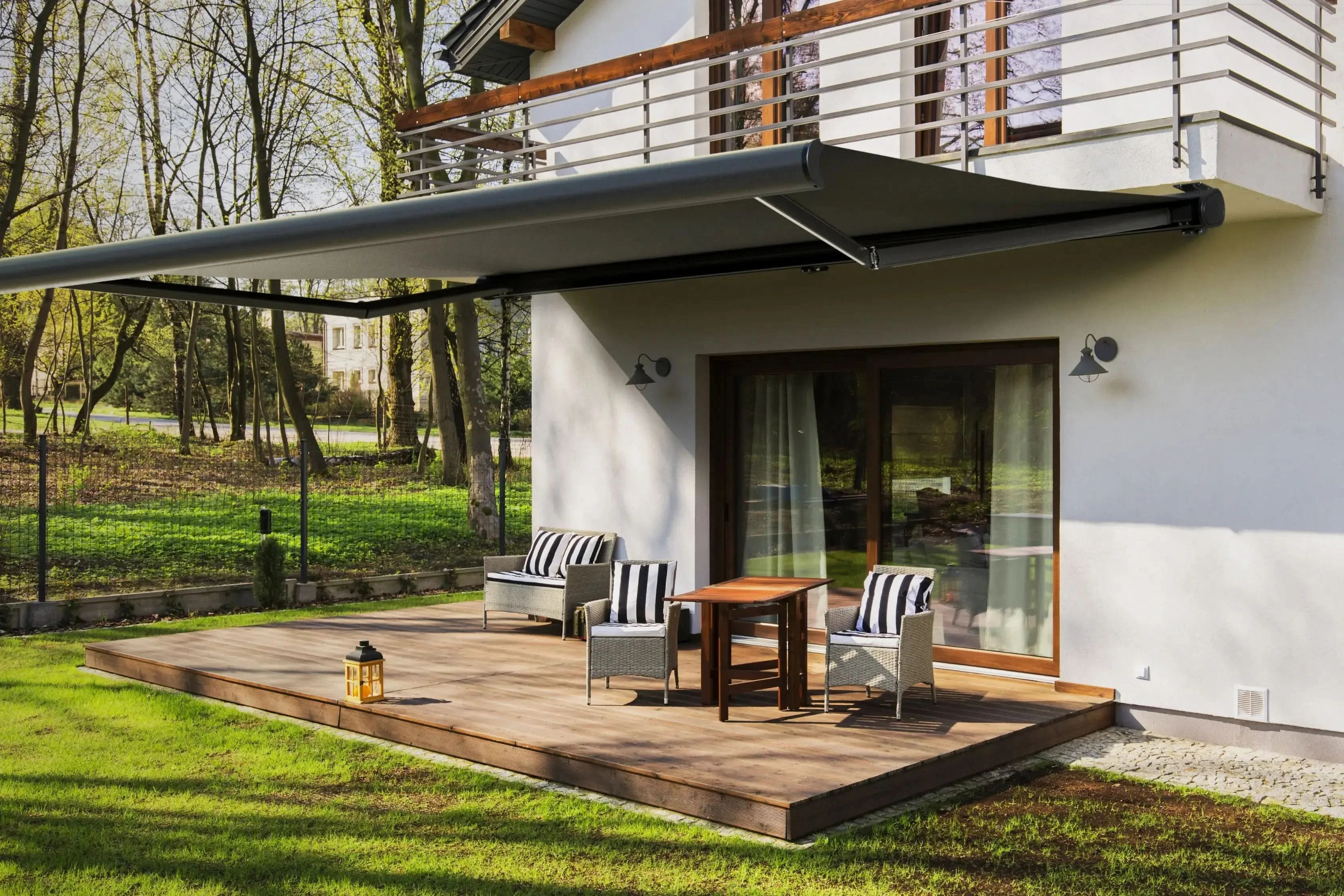
The straightforward case. Chemical anchors into solid brick, spaced to the arm loads for your width.
 Built to order · 6–8 weeks
Built to the centimetre for your wall. Sealed aluminium cassette, Spanish acrylic, tubular motor with wind sensor — shipped from the line that makes it, straight to your door.
Sauleda Spanish marine-grade acrylic. Solution-dyed at the fibre, not printed on the surface. The fabric used on yachts and Mediterranean villas. Colour holds under Australian sun far longer than the polyester most awnings ship with.
Multi-chamber aluminium frame. Internal ribs and chambers add torsional rigidity — the same principle aircraft wings use. Stiffer than a single-wall extrusion of the same weight, so the bar does not twist when the arms load up.
Double-link industrial chain arms. The chain type used in motorcycles and heavy machinery, rated past 100,000 open-close cycles. It does not stretch the way single-link chain and steel cable do by year three.
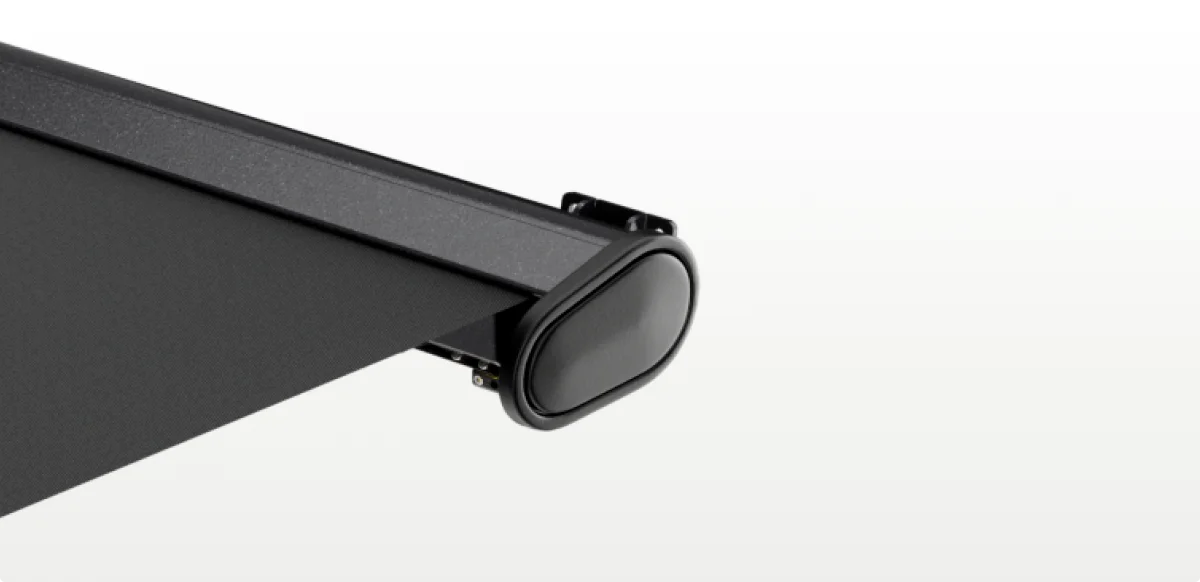
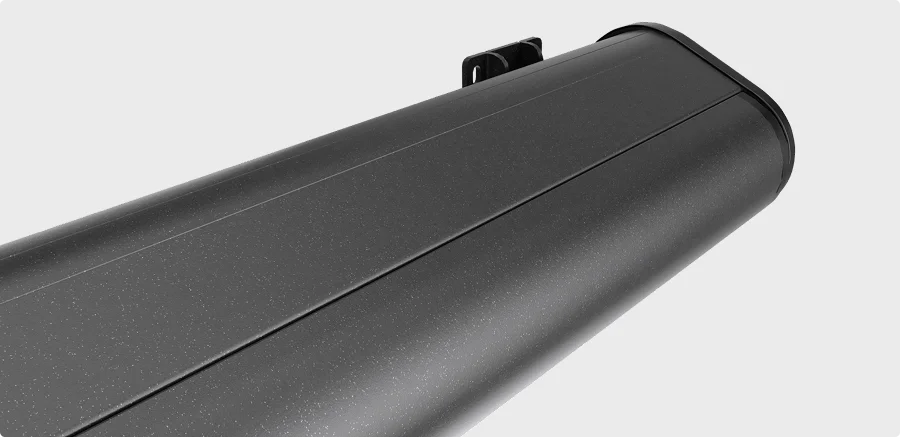
Full sealed cassette. Retracted, the fabric, motor, chains and arms disappear inside a closed aluminium housing. No UV, no rain, no dust on the roll. This is why a fabric rated for ten years lasts far longer here.
IP65 sealed tubular motor. Sealed against water jets and salt air — relevant if you are anywhere near the coast. Soft start and soft stop, so the fabric is not jerked at either end of travel.
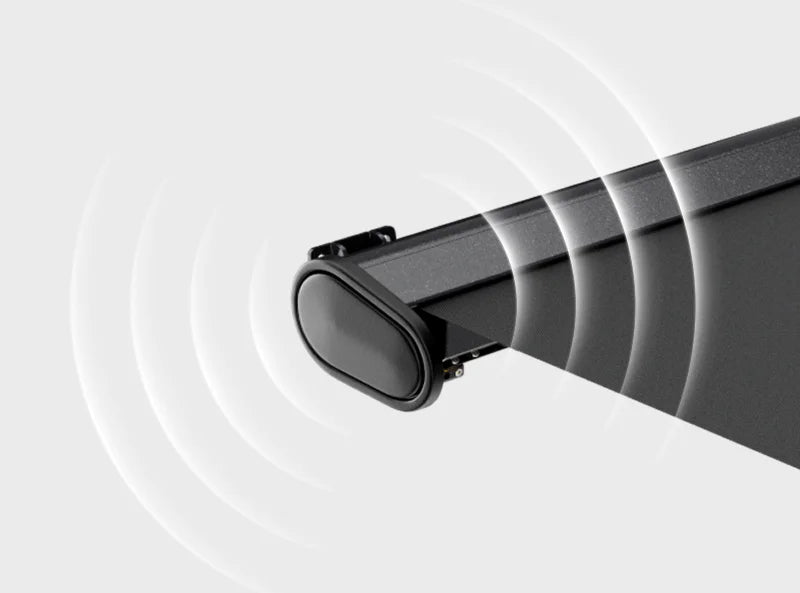
Runs under 45 dB. Quieter than a fridge. Lubricated stainless gears and tensioned chain arms. You can extend it mid-dinner and the conversation does not stop.
Brackets for every mount surface. Brick, render, timber, fascia, soffit or a rooftop frame. The mount is where cheap awnings fail first, so the hardware ships matched to your wall — tell us what it is and we spec it.
Solid aluminium front bar. No flapping fabric valance hiding cheap hardware. A milled aluminium bar instead: quiet in wind, straight lines, and it still looks like itself in year fifteen.
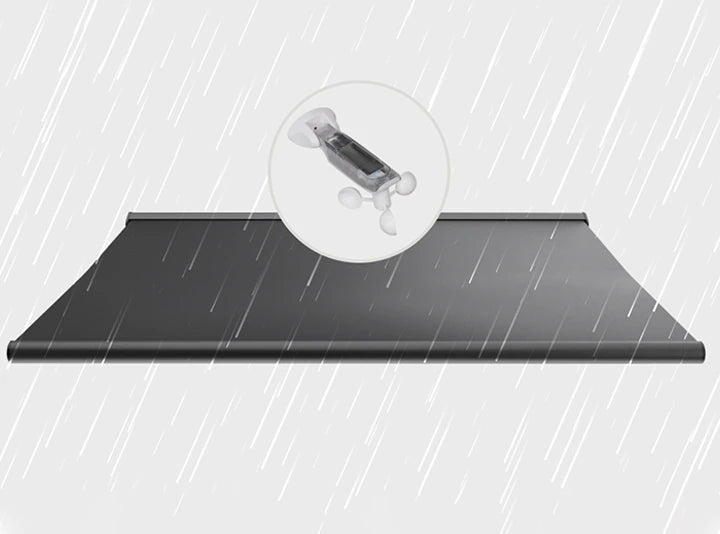
Remote, app and sensor control. Remote as standard. Somfy io with app control as an upgrade. Optional sun-wind-rain sensor retracts the awning on its own when the wind picks up, whether or not you are home.
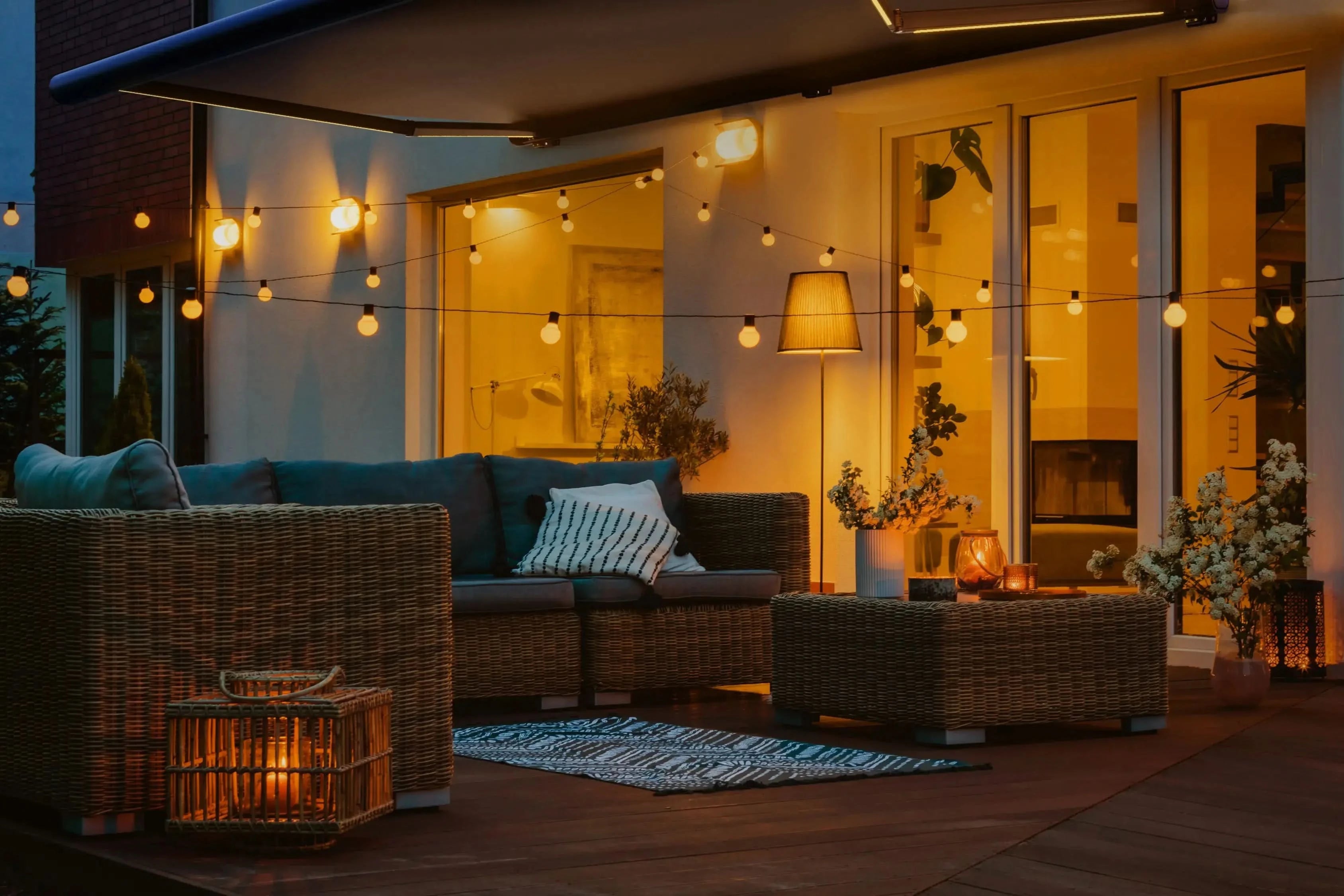
LED in the arms and cassette. Dual-colour, warm and cool, built into the frame rather than stuck on afterwards. No visible wiring, no strip light dangling off the front bar.
316 stainless fixings. Marine-grade throughout. No rust streaks down a rendered wall two summers in, which is the usual tell of a cheap awning.
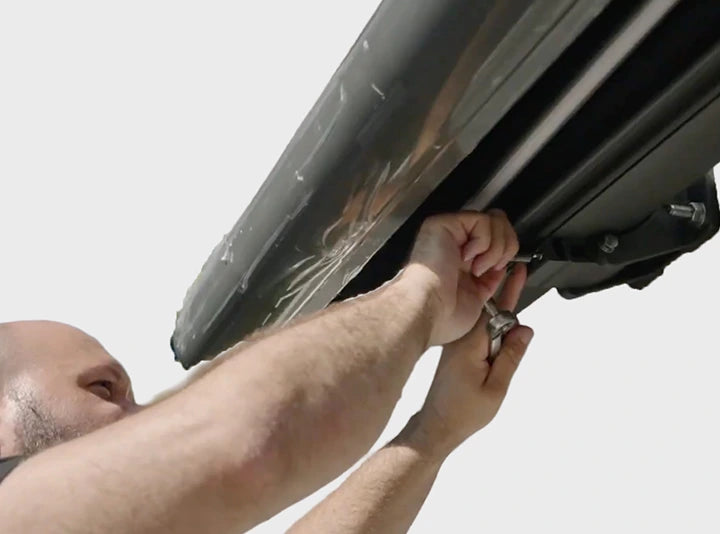
Two people, one afternoon. Templates, fixings and a step-by-step video in the box. Most owners mount it themselves; if you would rather not, any local installer can do it from the same drawings.
Aerospace-grade frame. Multi-chamber 6063-T6 extrusion, 2.0 mm wall, up to twice the section of a standard awning arm. Double powder-coated and salt-spray tested to 1,000 hours.
Double-link industrial chain arms. The same construction used in motorcycle drive chains. Rated past 100,000 open-close cycles without stretching.
Fully sealed cassette. Retracted, the fabric, arms, chains and motor sit inside a closed aluminium shell. No UV, no rain, no dust. That is why a fabric rated for 10 years lasts closer to 20.
IP65 sealed motor. Marine-rated against water and salt. Soft start and soft stop, so nothing snatches at the fabric.
Under 45 dB. Quieter than a fridge. You can open it mid-dinner and nobody looks up.
Width 2.5 m to 7.0 m in 10 mm steps. Projection 2.0 m to 4.0 m in 10 mm steps. Anything wider than 7 m is built as a coupled pair — ask us.
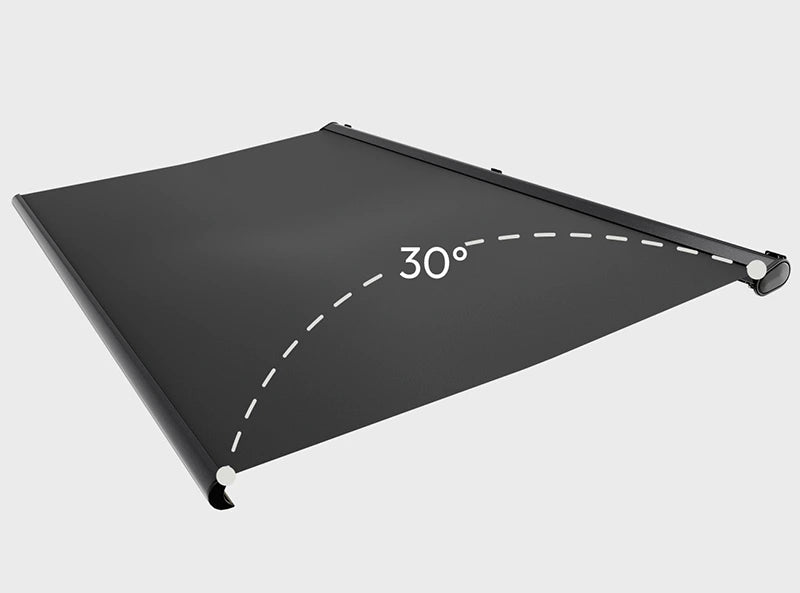
Frame: aluminium 6063-T5, powder-coated RAL 7024 as standard. Fabric: three-layer, 285 g/m² — waterproof membrane, protective layer and yarn-dyed cloth. Sauleda Spanish acrylic on the premium grade. Pitch adjustable 5°–45°. Motor: tubular 40 Nm, 240 V, remote included. Wind class 3, auto-retract at 30 km/h.
Mounts to brick, concrete, timber rafter or soffit. Render and cladding need the bracket kit.
Freight is included in the price you see — DDP door-to-door, duty and GST already paid. Nothing to collect, nothing to clear.
Production takes 6–8 weeks from the day you approve the drawing, then 3–4 weeks on the water and 2–5 days on the road.
Install: two people, roughly two hours for units up to 5 m, using the template and video supplied. Wider than that, or a render or cladding wall, we will put you onto a local installer — expect $400–800 depending on the city.
30% deposit releases production. The balance is due once the unit is built and photographed, before it is dispatched. Nothing is charged until you approve the dimensioned drawing.
5-year warranty on structure, motor and fabric. If a part fails inside that window we ship a replacement at our cost.
Because every unit is cut to your measurements it cannot be resold, so we cannot take change-of-mind returns after production starts. Before that point you can cancel for a full refund of the deposit.
Most questions take one message: will it fit, what does my size cost, how does the deposit work. Send it and you get a real answer, not a ticket number.
Same factory line, same Spanish fabric, same European motor as the awnings quoted at twice this. Bought direct, cut to your wall, shipped to your door.
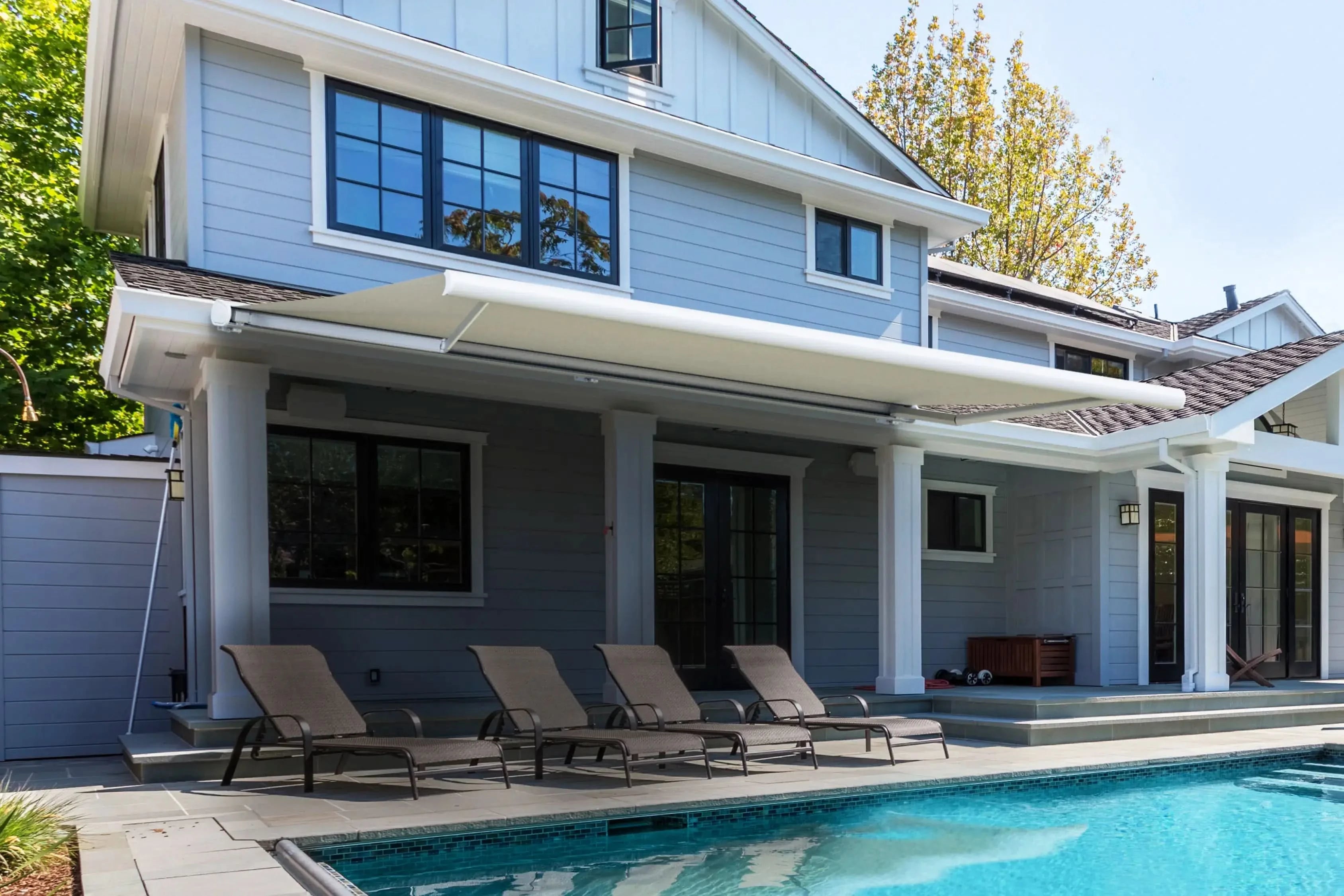
A local installer buys the same cassette, adds a showroom, a van and a 60% margin. We ship you the identical unit from the line that built it.
| HOUSE 09 | Local retailer | |
|---|---|---|
| 4 × 3 m motorised, delivered | $2,810 | $5,500 – $7,000 |
| Custom width to the centimetre | Included | Surcharge |
| Wind sensor | Included | Add-on |
| Lead time | 6–8 weeks | 10–16 weeks |
| Warranty | 5 years | 2–3 years |
| Showroom you pay for | None | Yes |
A retractable awning is four parts: a frame, a pair of arms, a fabric and a motor. Almost every brand in Australia buys the cheap version of all four and sells it on the strength of the showroom. Here is what we buy instead, and why it matters twenty summers from now.
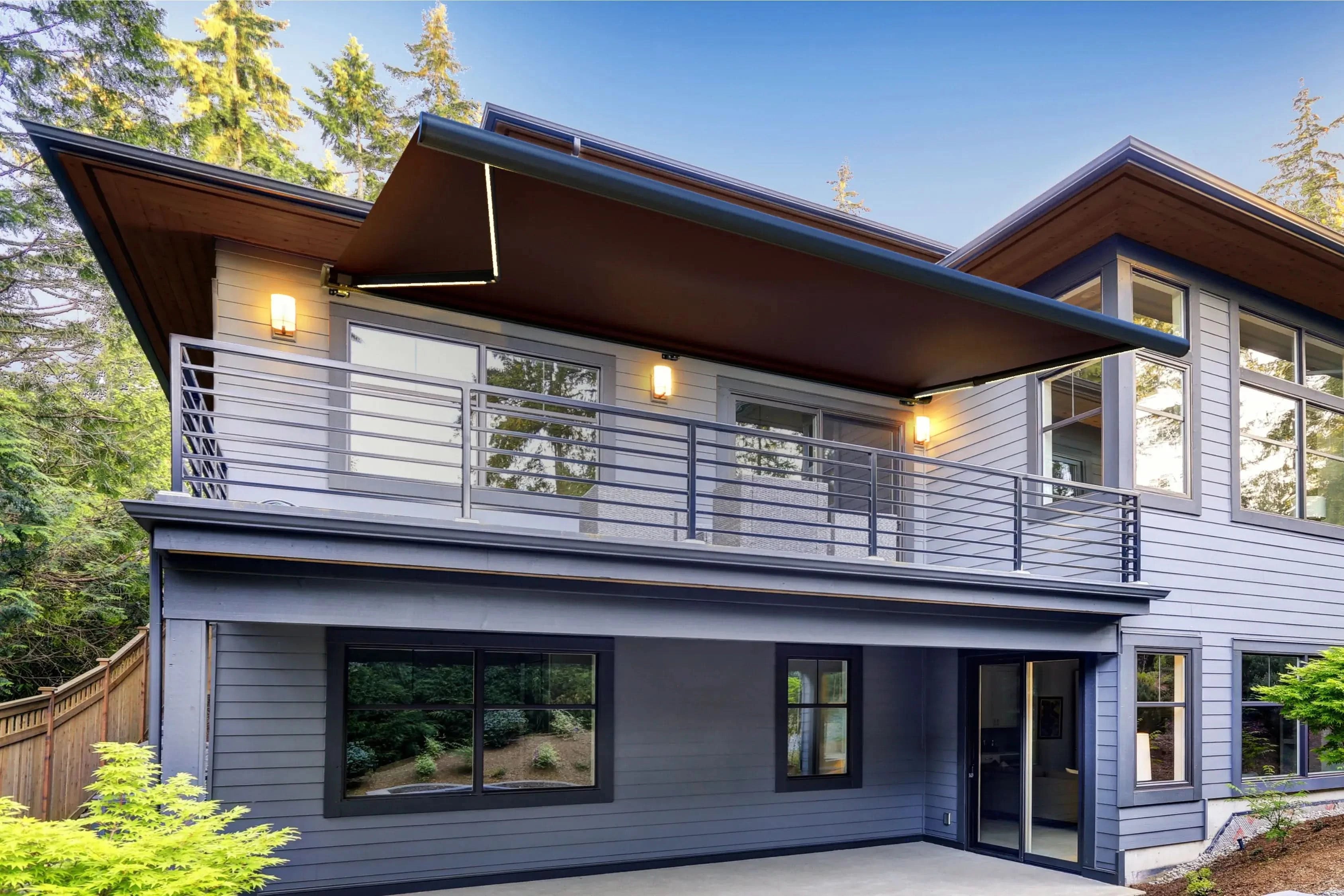
The cassette and arms are extruded 6063-T6 with internal ribs, the same principle that stops an aircraft wing folding under load. A hollow extrusion of the same weight bends; this one does not. Then it is powder-coated twice and salt-spray tested to 1,000 hours, which is what decides whether you still have a straight frame after ten summers within sight of the ocean.
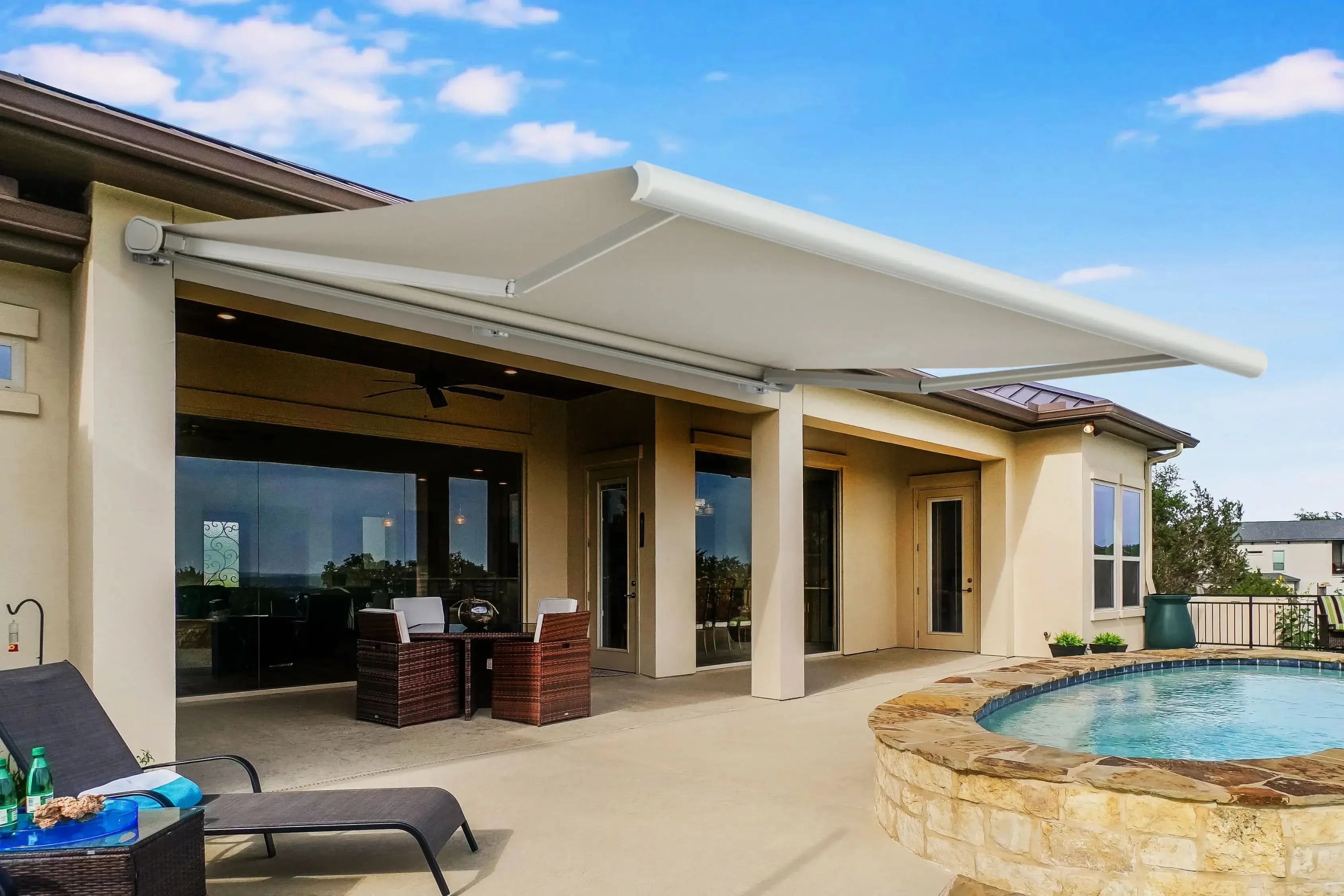
Most awnings in this price bracket use a steel cable inside the arm. Cables stretch, and a stretched cable is why an awning starts to sag on one side after two seasons. We use forged arms with a stainless double-link chain — the same construction as a motorcycle drive chain — rated past 100,000 open-close cycles. Open it twice a day and that is 130 years of duty.
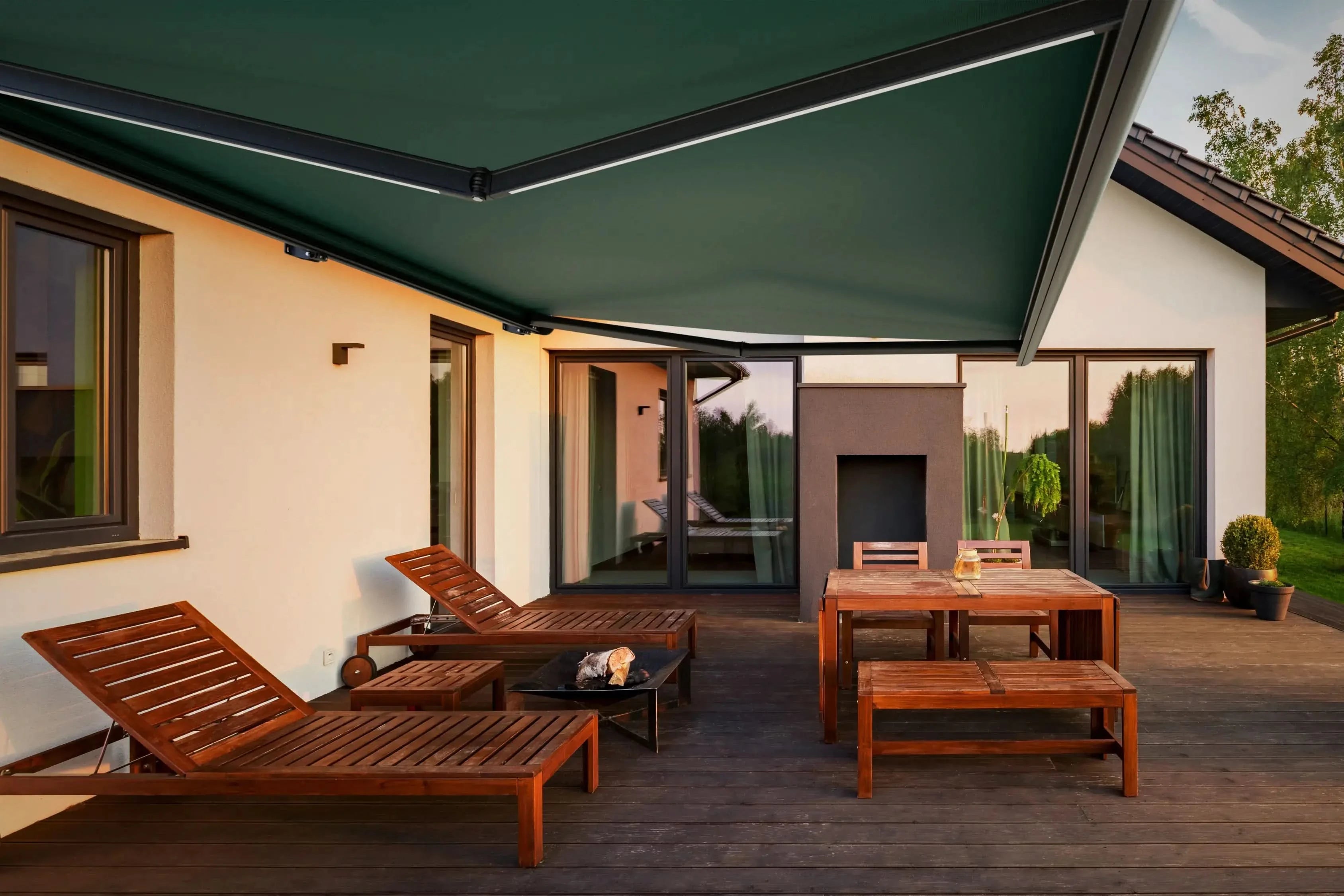
Cheap awning fabric is polyester with colour printed on the surface, which is why it goes chalky and pink after three Australian summers. Ours is solution-dyed acrylic: the pigment goes in while the fibre is still liquid, so there is no surface to fade off. It blocks 98% of UV, sheds water, and carries an 8 out of 8 colourfastness rating — the top of the scale, not near it.
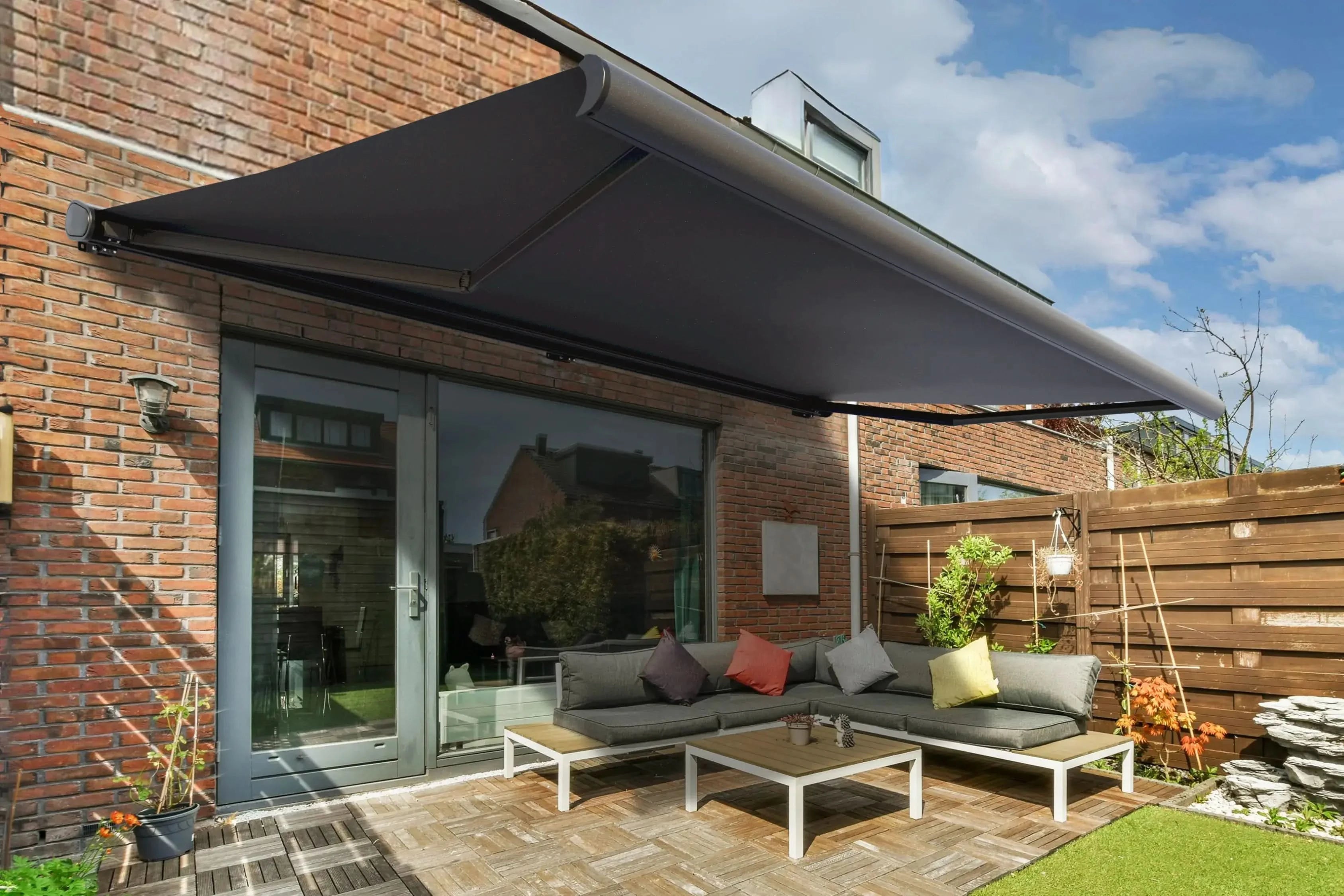
A semi-cassette leaves the underside of the fabric open to the weather. Ours closes into a sealed aluminium shell with the fabric, the arms, the chains and the motor all inside it. No UV on the fabric between uses, no rain in the mechanism, no leaves, no nests. It is the single reason a fabric rated for ten years routinely goes twenty on a full-cassette unit.
The motor is rated IP65 — the standard used on offshore marine equipment, sealed against water and salt. It starts and stops softly rather than snatching, which is what saves the fabric and the chain over thousands of cycles, and it runs under 45 dB: quieter than your fridge. The wind sensor is included, not an upsell, and pulls the awning in at around 30 km/h whether you are home or not.
Three things decide whether an awning is still doing its job in year ten: whether it holds in wind, whether the colour survives the sun, and how much heat it actually keeps off you.
Fabric is where an awning dies. Cheap polyester is printed on the surface, so the colour sits on top and the sun takes it off. Solution-dyed acrylic is coloured at the fibre before it is ever woven — there is no surface layer to lose.
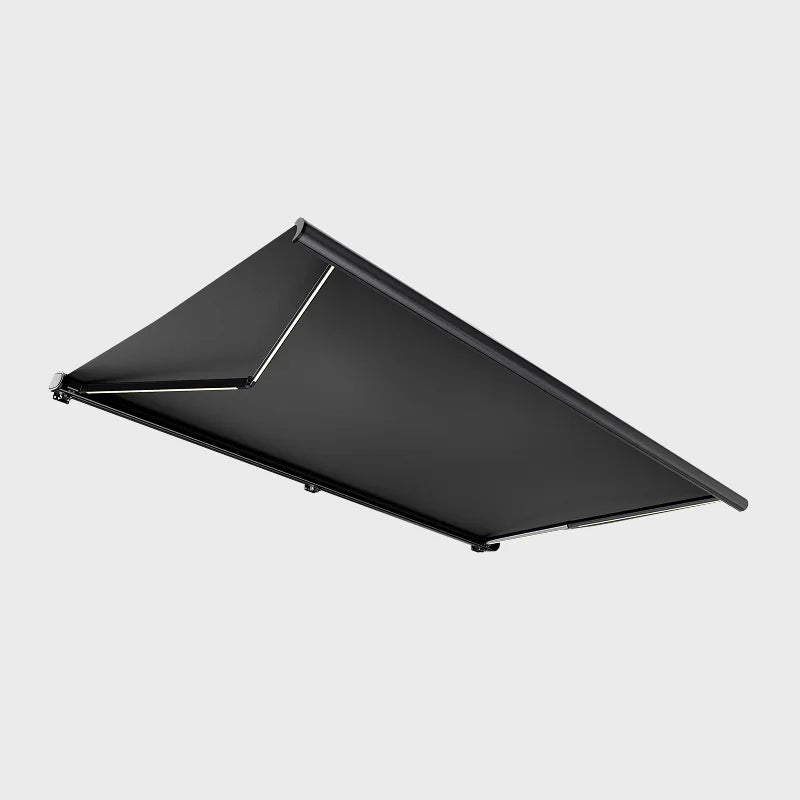
An awning fails in one of two places: the arms stretch, or the roll gets weathered. Both are cost-cutting decisions made years before you notice them.
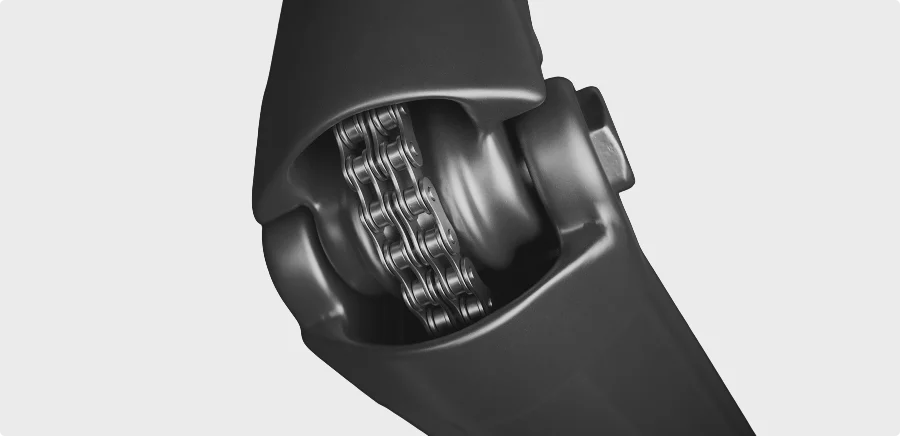
Single-link chain and steel cable stretch. Once they do, the awning stops sitting square and the fabric starts tracking off to one side. The chain here is the motorcycle and machinery type — heavier, and it holds its pitch for the life of the unit.
Open and semi-cassette awnings leave the rolled fabric exposed to sun, rain and dust between uses. That is where the wear actually happens, not while it is extended. Closed, this one seals the fabric, motor, chains and arms inside aluminium.
The mount is the single biggest cause of awning failure, and it is decided before anything ships. Send us a photo of the wall and we spec the brackets for it.
The straightforward case. Chemical anchors into solid brick, spaced to the arm loads for your width.
Render hides what is behind it. We spec through-fixings that land in the structural leaf, not the skin.
Common on Australian homes. Brackets land on the studs or a spreader plate, never on the cladding alone.
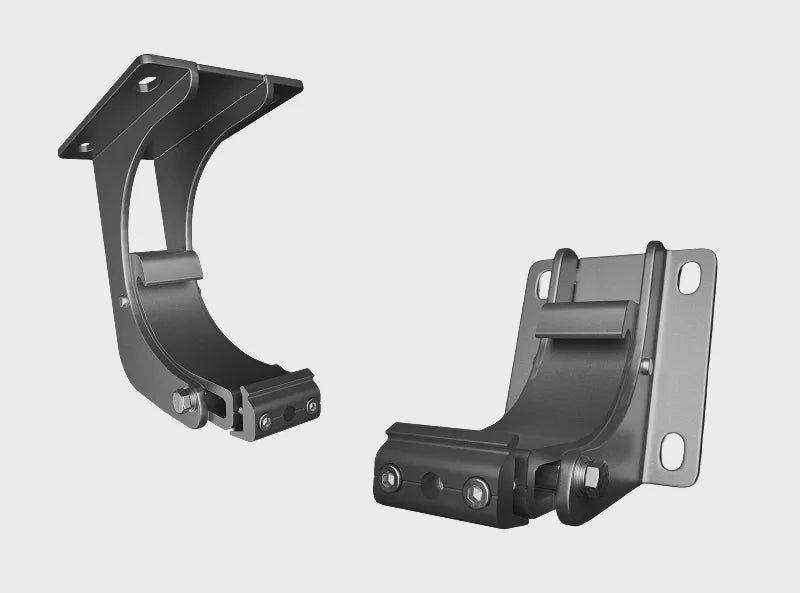
When the wall above the door is too shallow, the unit hangs from the soffit instead with a dedicated bracket set.
Mounted onto an existing frame where there is no usable wall at all. Needs a photo and a measurement before we quote.
Cheap awnings grind and rattle their way open. Ours runs under 45 decibels — quieter than a fridge. Lubricated stainless gears, tensioned chain arms, no clatter over dinner.
Fixed-pitch awnings stop working when the sun drops low. The pitch here is adjustable, so you set it for the season, the time of day, or how hard the rain is coming in.
Two people and an afternoon with the templates and video in the box. If you'd rather not, any local installer works from the same drawings — we'll send them the mounting spec directly.
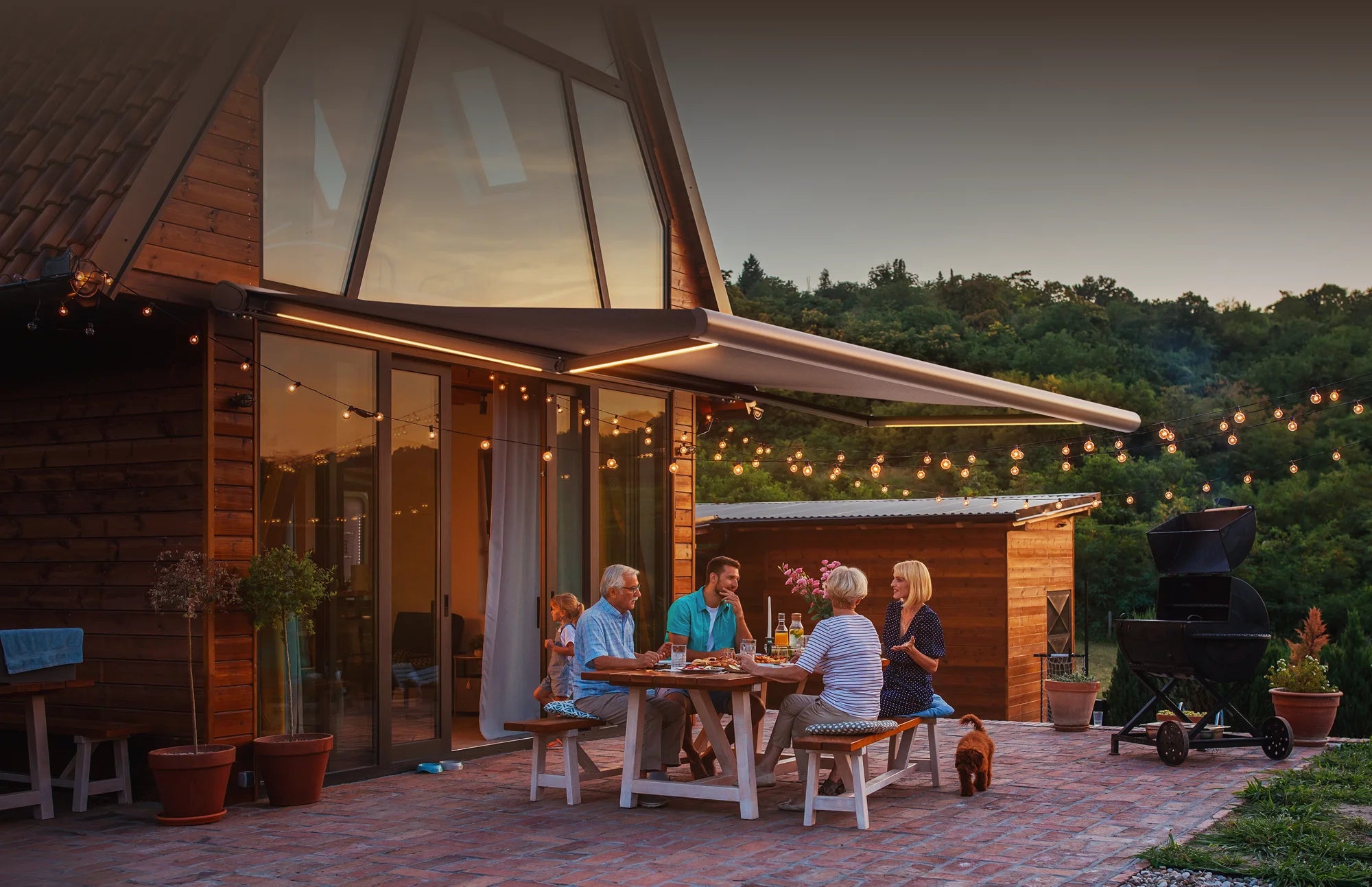
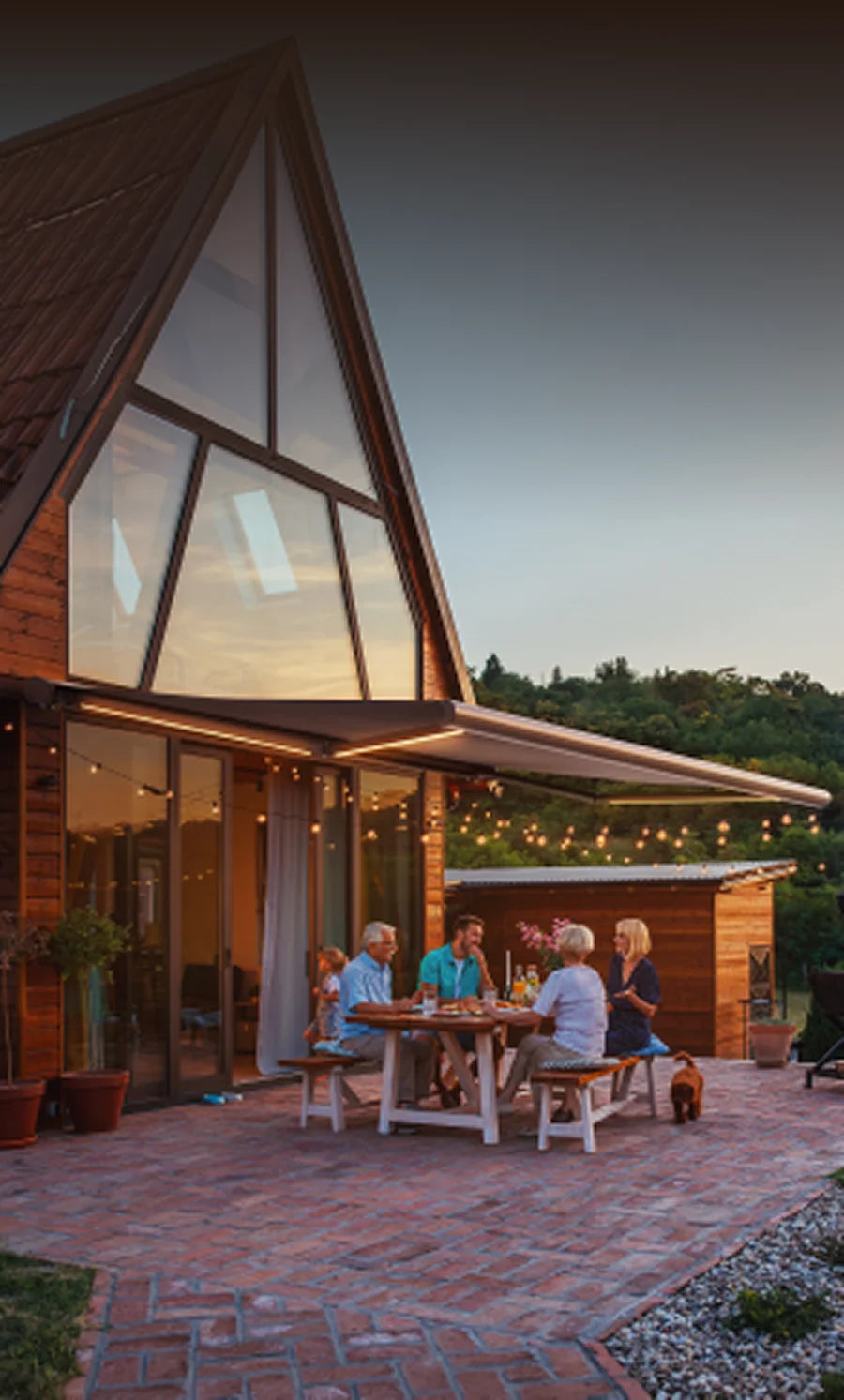
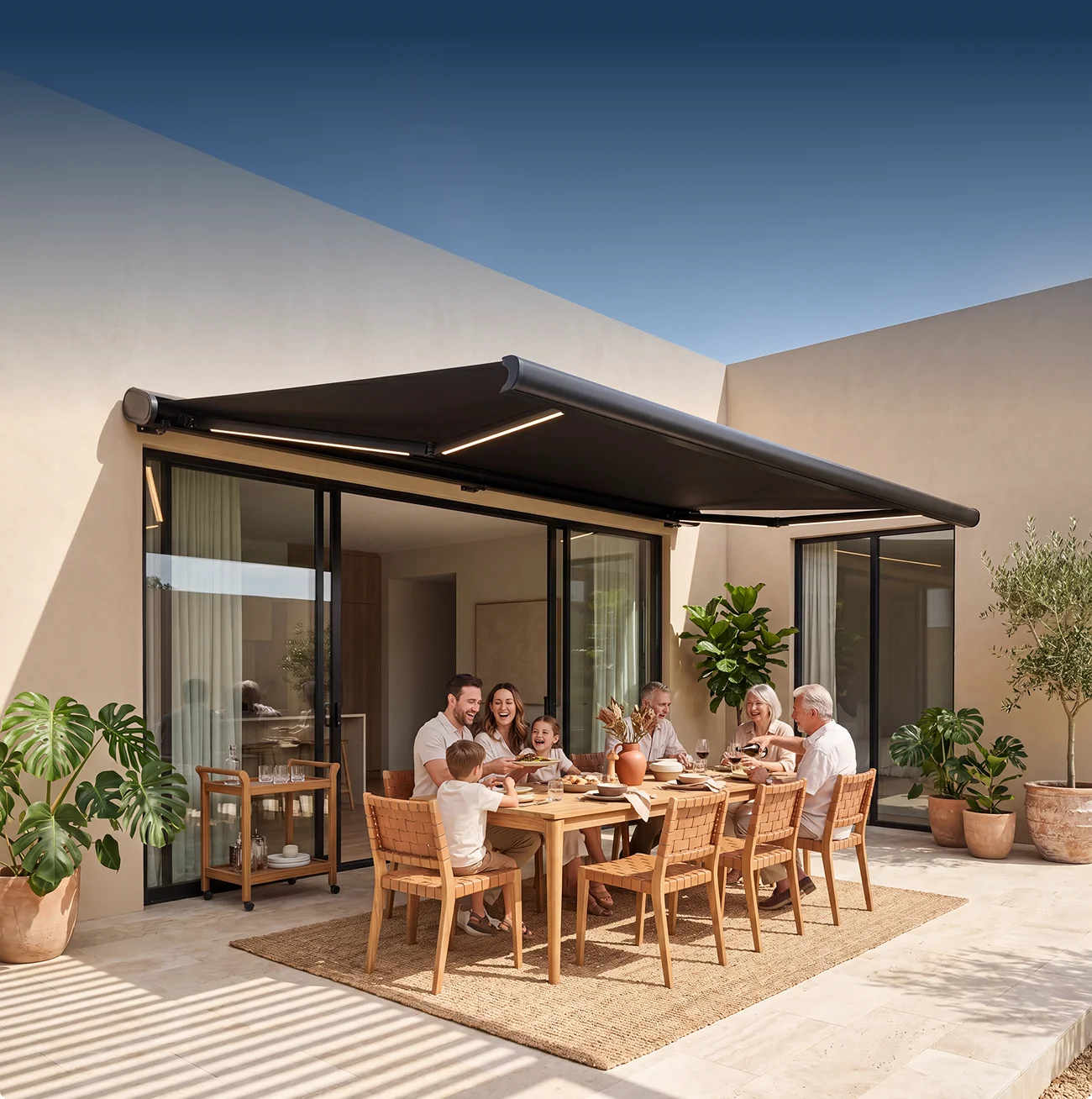
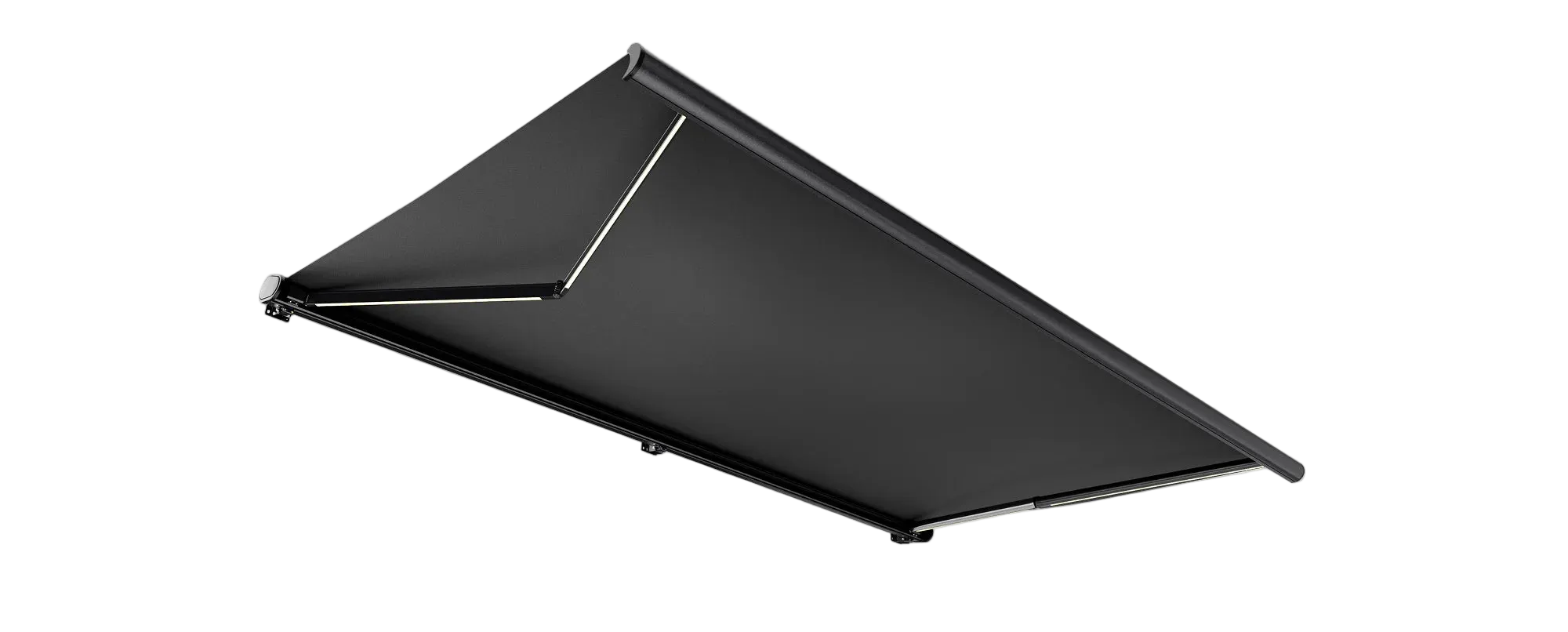
Extended, it is four metres of shade over the table. Retracted, it is a slim aluminium bar under the gutter that most people never notice is there.
Get my priceIf yours isn't here, ask in the chat — a person answers.
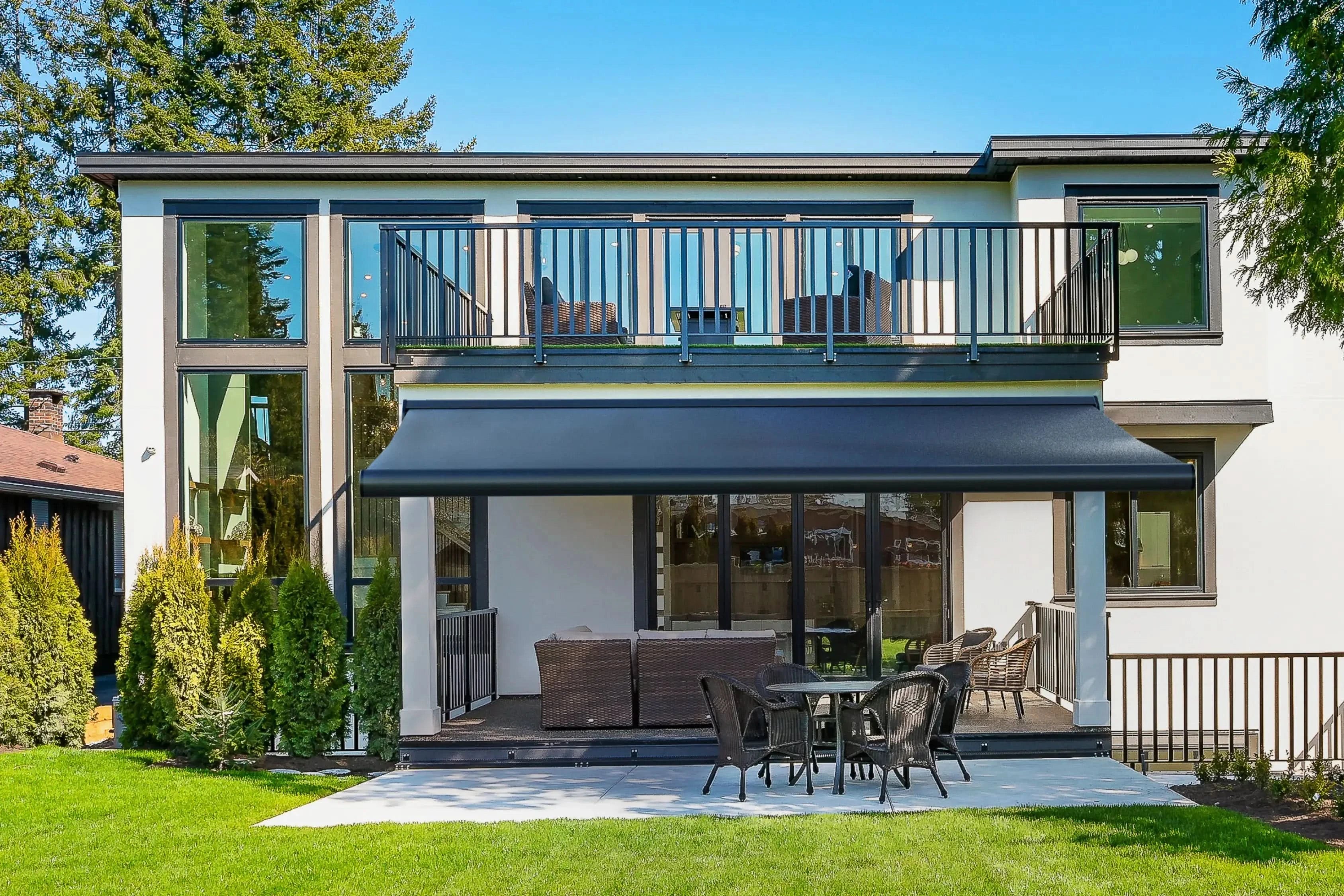
“I measured the wall on a Sunday, had a quote Monday morning and the unit landed seven weeks later. It fits like it was poured into the space.”
“Two quotes locally were over six grand for something smaller. Same motor, same fabric. I still don’t fully understand how the maths works.”
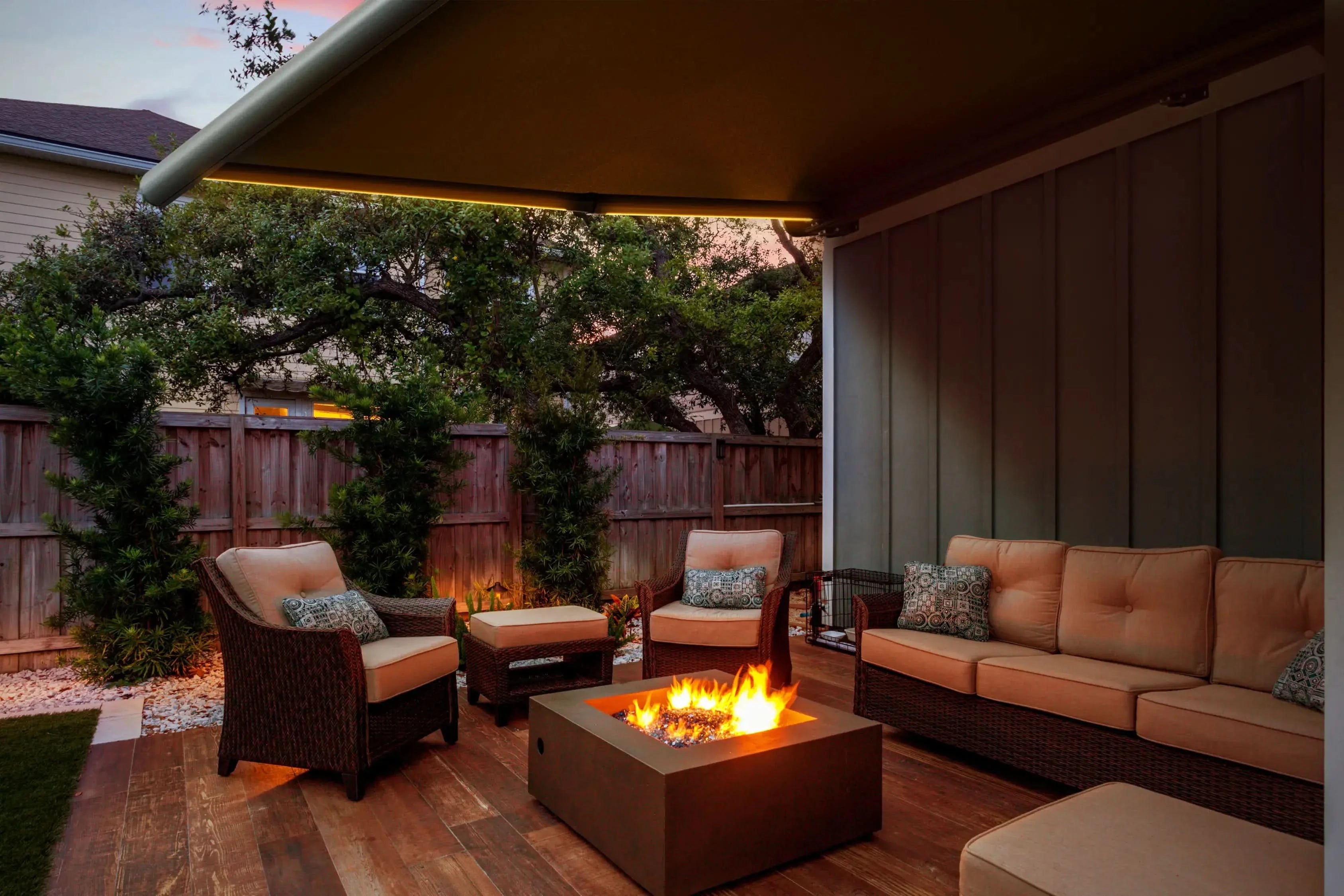
“We eat outside four nights a week now. The kids do homework out there. It changed how we use the whole back half of the house.”
The sun-wind-rain sensor is the upgrade we'd tell you to take anyway: it retracts the awning on its own when the wind comes up, whether or not you're home. On orders placed in the current build run, we include it.